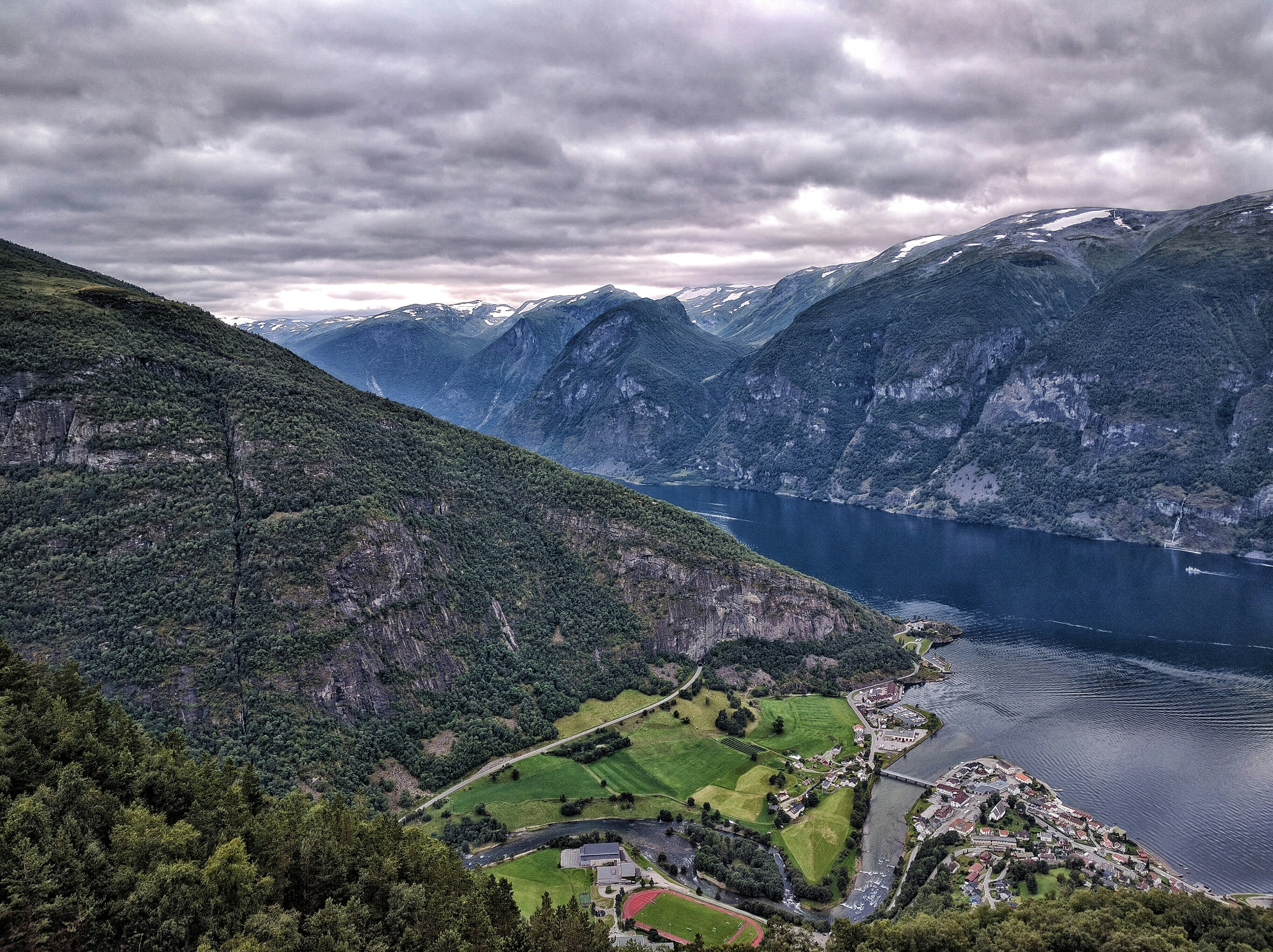
As consecutive summers bring record-breaking heatwaves to the Mediterranean and the Caribbean, a massive shift in global tourism has emerged: the "Coolcation." Travelers in 2026 are actively swapping sweltering beaches for the refreshing breezes, towering fjords, and alpine lakes of Scandinavia and Canada.
Historically, Nordic and Canadian destinations have been dismissed by budget travelers due to their reputation for high living costs. However, traveling to these majestic northern latitudes doesn't have to drain your savings. By implementing precise, data-driven budget strategies (from utilizing "Right to Roam" camping laws to hacking regional transport passes), you can experience world-class natural beauty for a fraction of the standard tourist price.
In this comprehensive 2026 guide, we break down the exact cost-saving methods, affordable accommodation hacks, and seasonal secrets required to pull off an epic Coolcation in Scandinavia and Canada without breaking the bank.
Coolcation Strategies at a Glance
Scandinavia on a Budget
Target secondary Nordic cities and leverage favorable 2026 exchange rates in Norway and Sweden to cut traditional travel costs.
Canadian Cost-Saving
Explore the Canadian Rockies and Maritime provinces using provincial park passes and off-peak shoulder season booking strategies.
Smart Accommodation
Bypass expensive downtown hotels by utilizing Nordic trekking cabins, Canadian university summer dorms, and regional homestays.
Timing is Everything
Book 'Coolcations' during the late August to September window to catch peak mild weather while entirely avoiding the summer premium pricing.
Quick Answer: Best Budget Strategies for 2026 Coolcations
The absolute best budget strategies for coolcations in Scandinavia and Canada involve shifting your travel window to the shoulder seasons (late May or September) to slash flight and accommodation costs.
Avoid primary capitals like Oslo or Vancouver. Instead, utilize public transit networks to reach secondary nature hubs. Embrace self-catering by shopping at local budget supermarkets (like REMA 1000 in Norway or No Frills in Canada), and heavily utilize free outdoor activities like hiking and wild camping to keep your daily budget between $80-$120 USD.
Quick Facts: Destination Overview
| Destination | Avg. Daily Cost | Best Season | Accommodation | Transportation | Activities |
|---|---|---|---|---|---|
| Norway | $90 - $140 | Jun & Sep | DNT Cabins, Camping | VY Buses, Trains | Fjord Hiking (Free) |
| Sweden | $80 - $130 | May & Sep | STF Hostels, Wild Camp | SJ Trains (Advanced) | Archipelago Tours |
| Denmark | $100 - $150 | May & Sep | Danhostels | Cycling, FlixBus | Museums, Coastal |
| Finland | $85 - $135 | Jun & Aug | Cottage Rentals (Shared) | OnniBus | Saunas, Lakes (Free) |
| British Columbia | $85 - $140 | Sep - Oct | HI Hostels, Motels | Evo Car Share, Bus | Hiking, Parks |
| Alberta (Rockies) | $90 - $150 | May & Sep | Park Camping, Hostels | Rental Car (Split) | Banff/Jasper Trails |
| Quebec | $75 - $120 | Sep (Foliage) | Auberges, Univ. Dorms | Orléans Express | Festivals, Old Town |
Travel Tips & Common Mistakes When Planning Budget Coolcations
Practical Budget Tips
- •Use 'Right to Roam' laws: Norway, Sweden, and Finland legally allow free wild camping on uncultivated land.
- •Book trains 90 days out: Scandinavian rail operators offer "Minipris" (discounted) tickets that sell out months in advance.
- •Drink tap water: Both Canada and Scandinavia have some of the cleanest tap water globally; never buy bottled water.
- •Lunch specials: If you must eat out, do it at lunch. "Dagens Rätt" (Dish of the Day) in Sweden offers heavy discounts.
- •Buy National Park Passes: If visiting multiple Canadian parks, the Parks Canada Discovery Pass pays for itself quickly.
Mistakes to Avoid
- ×Drinking alcohol in bars: Alcohol is heavily taxed. A single beer in Norway can cost $12-15 USD. Buy from state-run monopolies (Vinmonopolet/Systembolaget).
- ×Ignoring distances: Both regions are massive. Trying to drive from Vancouver to Banff in one quick day wastes gas and ruins the experience.
- ×Traveling in peak July: This is when locals take their mandatory 4-week vacations. Prices surge and availability drops to zero.
- ×Not packing layers: Buying an emergency fleece or rain jacket in a tourist town will destroy your daily budget instantly.
Understanding Coolcations
A "coolcation" is exactly what it sounds like: a vacation centered around temperate, cooling climates. Driven largely by consecutive years of oppressive heat domes over traditional summer hotspots, travelers are realizing that battling crowds in 100-degree weather is exhausting, not relaxing. Coolcations prioritize fresh air, active outdoor exploration, and comfortable sleeping temperatures.
Scandinavia and Canada are the undisputed champions of the coolcation movement. They offer vast, pristine wildernesses, world-class infrastructure, and peak summer temperatures that rarely exceed 75°F (24°C). While they carry a reputation for high luxury costs, their deep cultural respect for public nature access makes them incredibly viable for travelers armed with the right budget travel hacks.

Scandinavia on a Budget
Norway on a Budget
Norway is arguably the most spectacular, yet most expensive, of the Scandinavian countries. To survive here on a budget, you must embrace the outdoors. Utilize Allemansretten, the law allowing you to pitch a tent anywhere in the wilderness at least 150 meters from an inhabited house. For indoor stays, joining the DNT (Norwegian Trekking Association) provides massive discounts on hundreds of mountain cabins.
When navigating the famous fjords, avoid the heavily marketed luxury cruise packages. Instead, use the local public ferries and regional VY buses, which traverse the exact same stunning routes for a fraction of the cost. Buy all your food at budget supermarkets like REMA 1000 or Kiwi, and focus entirely on free activities like hiking Preikestolen or exploring the Lofoten Islands on foot.
Sweden on a Budget
Sweden offers excellent value if you venture beyond Stockholm. Gothenburg and the southern Skåne region provide incredible coastal coolcations at lower price points. Rail travel via SJ trains is highly efficient; booking your tickets 90 days in advance can secure cross-country trips for under $30.
Swedish STF hostels are famously high-quality, often resembling boutique hotels more than traditional backpacker dorms. Take advantage of "Fika" culture (the daily coffee and pastry break), which is a highly affordable way to experience local cuisine. For dining, always look for "Dagens Rätt" at lunchtime, where restaurants offer full hot meals with salad and coffee for around $10-$12.
Denmark on a Budget
Denmark is flat, compact, and entirely designed around the bicycle. The ultimate Danish budget strategy is renting a bike and utilizing the country's extensive, safe cycling networks. Copenhagen is notoriously pricey, but staying in the Nørrebro or Vesterbro districts offers cheaper Airbnb options and incredible street food, like the famous Danish hot dogs (pølser).
To save money in the capital, consider the Copenhagen Card if you plan to visit multiple museums and palaces, as it includes all public transport in the capital region. Alternatively, head to Jutland (the mainland) where accommodation prices drop significantly, offering wide-open beaches and cheap coastal camping.
Finland on a Budget
Finland is the lesser-known spot of Nordic budget travel. Helsinki can be navigated affordably using the HSL day passes, and the city is packed with free public saunas and seaside parks. The true coolcation, however, lies in the Finnish Lakeland or Lapland regions.
Long-distance travel is cheapest using OnniBus, a budget coach operator with tickets starting at just a few euros if booked early. A classic Finnish summer tradition involves renting a lakeside cottage (mökki). By gathering a group of 3-4 budget travelers to split the cost, you can experience an authentic, deeply relaxing Finnish coolcation for under $40 a night per person.

Canada on a Budget
British Columbia on a Budget
British Columbia offers dramatic coastlines and towering mountains, but Vancouver is one of North America's most expensive cities. To stay on budget, limit your time in the city center. Utilize the excellent TransLink system, and stay in neighborhoods like Commercial Drive or across the water in North Vancouver.
For the ultimate BC coolcation, head out to Vancouver Island or the Sunshine Coast. Provincial park campsites are heavily subsidized and pristine. Hiking is world-class and entirely free. Trails like the Stawamus Chief offer million-dollar views for the cost of a bus ticket and a packed lunch.
Alberta on a Budget
The Canadian Rockies are a premier coolcation destination. The golden rule for Alberta in 2026: avoid sleeping in Banff or Lake Louise. Base yourself in nearby towns like Canmore or Cochrane, where grocery stores and motels don't carry the "national park premium."
Purchase the Parks Canada Discovery Pass early. For transport, renting a car is almost mandatory for exploring the Icefields Parkway, so use car rental hacks to secure a cheap vehicle months in advance. The activities here (gazing at turquoise glacial lakes and spotting wildlife) are completely free.
Ontario on a Budget
Ontario's coolcation appeal lies in its massive Great Lakes and provincial parks. Toronto can be navigated cheaply by staying in university summer housing (which opens to the public from May to August at steep discounts) and eating in diverse, affordable neighborhoods like Chinatown or Kensington Market.
Escape the city heat by taking the Parkbus, a budget-friendly service connecting Toronto to Algonquin Provincial Park. Here, you can rent a canoe and camp in the backcountry for pennies on the dollar compared to downtown hotel rates, surrounded by the haunting calls of loons.
Quebec on a Budget
Quebec offers a distinctly European feel without the transatlantic flight. Montreal is surprisingly affordable; it's a city of festivals, many of which offer free outdoor concerts throughout the summer. The public bike-share system (Bixi) is the cheapest and best way to explore the city's eclectic neighborhoods.
For a true coolcation, take the Orléans Express bus to Quebec City, or head further north to the Charlevoix region. Staying in traditional auberges (inns) or utilizing the strong hostel network keeps costs low while immersing you in rich French-Canadian culture and cool maritime breezes.
Accommodation Hacks for Budget Coolcations
Accommodation will be your largest expense in these regions, making strategic booking critical. In Scandinavia, the hostel network is robust, clean, and safe. However, the ultimate hack is camping. If you have the right packing gear, wild camping in Norway and Sweden allows you to sleep beside million-dollar fjord views for zero dollars.
In Canada, university dormitories are the secret weapon for budget travelers. Major universities in Vancouver, Toronto, and Montreal rent out their empty dorm rooms from May through August. They are centrally located, clean, and often cost half the price of a standard budget hotel. Additionally, platforms like TrustedHousesitters can provide free accommodation in exchange for watching a local's pet while they take their own summer vacation.
Transportation Savings Strategies
Flights & Getting There
Securing cheap flights is about flexibility. Use tools to track last-minute flight deals, but generally, booking 3-5 months out is safest for summer travel. Fly budget carriers like Norse Atlantic to Oslo or PLAY Airlines through Iceland. For Canada, look at Flair Airlines or Lynx Air for ultra-low-cost domestic hops. Always travel with just a carry-on to avoid punitive baggage fees that these budget airlines rely on.
Trains & Buses
In Scandinavia, booking trains on the exact day tickets are released (usually 90 days prior) gives access to "Minipris" tickets that can save you a lot. If you miss the train window, FlixBus operates extensively across the Nordics. In Canada, VIA Rail is scenic but expensive; budget travelers should rely on regional bus networks or ride-sharing apps like Poparide for inter-city transit.
Car Rentals & Local Transport
Renting a car in Norway or the Canadian Rockies gives you ultimate freedom but costs dearly. Mitigate this by renting manual transmission cars (in Europe), booking well in advance, and avoiding airport pickup locations which charge premium taxes. Within cities, immediately buy multi-day public transit passes; paying for single tickets will quickly drain your daily budget.
Food & Dining on a Budget
Restaurants in Scandinavia and Canada feature high labor costs, which translates to expensive menus. The primary strategy for any budget coolcation is self-catering. Book hostels or Airbnbs with kitchen access. In Scandinavia, shop at discount grocers like Netto, REMA 1000, or Lidl. In Canada, look for No Frills or Superstore.
You don't have to miss out on local flavor entirely. In Sweden, partake in the affordable afternoon coffee tradition of Fika. In Denmark, grab a cheap, filling smørrebrød (open-faced sandwich) from a market stall. In Canada, street food like poutine in Quebec or a peameal bacon sandwich in Ontario provides massive caloric value for under $10. Always carry a reusable water bottle; buying bottled water in these countries is both an environmental sin and a financial waste.

Free & Low-Cost Activities
The greatest asset of a coolcation in these regions is that the main attraction (nature) is free. Whether you are summiting the Stawamus Chief in BC, hiking to Trolltunga in Norway, or wandering the archipelago of Stockholm, your entertainment budget can practically be zero.
For urban days, utilize "Free Walking Tours" (just tip the guide at the end). Many world-class museums in cities like Ottawa, Toronto, Oslo, and Copenhagen have designated free entry days or evenings. Pack a picnic, rent a cheap city bike, and spend your days exploring historic neighborhoods, expansive public parks, and lively local farmer's markets.

Seasonal Strategies for 2026
Timing is the ultimate budget hack. If you travel during the peak weeks of July and early August, you will pay maximum prices and battle heavy crowds. The smart budget traveler aims for the "Shoulder Seasons": late May to mid-June, or September.
During these windows, the weather is still cool and pleasant, trails are open, but accommodation costs drop precipitously. If your goal is to see the Northern Lights (Aurora Borealis) in places like Tromsø, Norway or Yellowknife, Canada, you must push your trip into late September or October when the nights become dark enough, which conveniently aligns with deep off-season discounts.
Money-Saving Tools & Apps
Preparation is key. Download the local public transit apps (like Ruter in Norway or Transit in Vancouver) to buy digital tickets, which are always cheaper than buying from a driver. Use currency cards like Revolut or Wise to avoid foreign transaction fees, as Scandinavia is almost entirely cashless, and Canada is heavily reliant on card taps.
For finding last-minute beds, Hostelworld and Booking.com remain essential. Additionally, do not neglect travel insurance. While these countries are incredibly safe, a medical emergency or a helicopter rescue off a mountain trail without insurance will bankrupt you instantly.
Coolcation Budget Comparison (7-Day Trip)
| Destination | Daily Budget (USD) | Accommodation | Food Cost | Activities | Transport | Total Est. (7 Days) |
|---|---|---|---|---|---|---|
| Oslo, Norway | $110 | $45 | $40 | $10 | $15 | $770 |
| Stockholm, Sweden | $100 | $40 | $35 | $10 | $15 | $700 |
| Copenhagen, Denmark | $120 | $50 | $45 | $15 | $10 (Bike) | $840 |
| Helsinki, Finland | $95 | $40 | $35 | $10 | $10 | $665 |
| Vancouver, Canada | $105 | $45 | $35 | $10 | $15 | $735 |
| Banff, Canada | $130 | $55 | $40 | $5 | $30 (Car) | $910 |
| Toronto, Canada | $100 | $45 | $35 | $10 | $10 | $700 |
| Montreal, Canada | $85 | $35 | $30 | $10 | $10 | $595 |
Frequently Asked Questions About Coolcations in Scandinavia and Canada
Ready to Escape the Heat?
Compare real-time flight and car rental prices for your 2026 Coolcation across Scandinavia and Canada.
Compare live prices on KAYAK
KAYAK searches hundreds of travel sites at once. We may earn a commission if you book, at no extra cost to you.
Key Takeaways: Budget Coolcations in Scandinavia and Canada
- Timing: Travel in shoulder seasons (May/June or September) to save on total trip costs.
- Accommodation: Utilize hostels, university dorms (Canada), and trekking cabins or wild camping (Scandinavia) instead of hotels.
- Dining: Commit to self-catering. Shop at budget grocery stores and prepare your own meals to slash daily expenses.
- Transport: Book regional trains and buses 90 days in advance, and utilize city bike-shares or public transit passes.
- Activities: Focus on the world-class, free natural outdoor attractions rather than paid tourist excursions.
Start Planning Your 2026 Coolcation Today
Escaping the brutal summer heatwaves doesn't mean you have to endure the financial burn of overpriced luxury travel. By viewing Scandinavia and Canada through the lens of a budget backpacker (prioritizing nature, self-sufficiency, and strategic transit), you gain access to some of the most remarkable landscapes on earth.
The 2026 travel season is approaching fast, and shoulder-season deals are already hitting the market. Start monitoring flights to secondary hubs like Gothenburg, Calgary, or Bergen today. Secure your hostel beds, pack your hiking boots, and prepare for an memorable adventure. For more advanced strategies, explore our ultimate budget travel hacks or dive into our Top European Destinations guide.
TravelCheap Editorial Team
TravelCheap Online
We research and update these guides to help you plan cheaper trips. Prices and rules change often, so always check live prices and official sources before you book. TravelCheap may earn a commission when you book through our links, at no extra cost to you.
Last updated: June 12, 2026